
The psychology behind casino games: What keeps players coming back?

Understanding the Allure of Casino Games
The allure of casino games can be attributed to several psychological factors that drive individuals to engage repeatedly with these environments. One prominent element is the thrill of uncertainty. Players often find excitement in the unpredictability of game outcomes, experiencing what psychologists refer to as a ‘variable reward system.’ This means that players receive mixed rewards, both winning and losing, which can create an addictive cycle of behavior. The anticipation of a win keeps players on the edge of their seats, compelling them to return in hopes of striking it big, as seen with platforms like 17 dollar neosurf casino that enhance this experience.
Moreover, the sensory experience of the casino plays a crucial role in attracting players. The vibrant colors, enticing sounds of slot machines, and even the aroma of food and drinks create an environment designed to stimulate the senses. This sensory overload not only enhances the overall gaming experience but also keeps players immersed for extended periods. Studies suggest that these sensory cues can trigger dopamine releases, the feel-good neurotransmitter that reinforces a player’s desire to return for more excitement.
Additionally, the social aspect of casino games cannot be overlooked. Many individuals are drawn to the communal experience of playing games alongside others, whether at a table or through online platforms. This interaction provides a sense of belonging and camaraderie, which can be particularly appealing to those seeking social connections. The combination of competition and companionship creates a dynamic environment that encourages players to return and engage with others, reinforcing their loyalty to specific games or venues.
The Role of Game Design in Player Engagement
Game design elements play a significant role in maintaining player interest and engagement in casino games. Developers meticulously craft games with specific structures that encourage continued play, such as bonus features, progressive jackpots, and frequent small wins. These mechanisms are strategically employed to create a sense of achievement, making players feel as though they are making progress, even when they might be losing overall. This illusion of control is central to keeping players engaged, as they often believe that they can turn their luck around with just one more spin or hand.
Another aspect of game design that captivates players is the concept of storytelling. Many contemporary casino games incorporate narrative elements that draw players into a world where they become part of an adventure. These stories, often adorned with captivating graphics and immersive soundtracks, allow players to escape reality and lose themselves in a different realm. This escapism is a powerful motivator, as it satisfies the human need for adventure and exploration, creating a deeper emotional attachment to the game.

Furthermore, the use of rewards and bonuses is a critical strategy in game design. Players are often incentivized to continue playing through loyalty programs, free spins, or exclusive promotions. This not only enhances the thrill of gambling but also makes players feel valued and recognized by the casino. By leveraging these incentives, casinos can cultivate a dedicated player base that feels a sense of loyalty and attachment to specific games or even the casino as a whole, prompting them to return time and again.
The Impact of Cognitive Biases on Gambling Behavior
Cognitive biases significantly influence gambling behavior, shaping how players perceive their chances of winning and their overall experience. One well-known bias is the ‘gambler’s fallacy,’ wherein individuals believe that past outcomes influence future results. For instance, players might assume that after a series of losses, a win is ‘due,’ leading them to continue betting longer than they should. This flawed thinking often results in players returning repeatedly, hoping to receive the payout they believe is imminent.
The illusion of control is another cognitive bias that affects gambling behavior. Many players underestimate the role of chance in games of luck, overestimating their influence over outcomes. This leads to increased play, as individuals feel empowered to affect results through their choices, whether it be the timing of a bet or the specific machine they play. This psychological phenomenon often leads to longer play sessions and a stronger desire to return, reinforcing the cycle of gambling.
Lastly, the ‘near-miss’ effect is a crucial cognitive bias in the context of casino games. Players often experience a rush of excitement when they come close to winning, even if they ultimately lose. This sensation can be incredibly compelling, instilling a sense of hope and perseverance within players. The thrill of almost winning serves as motivation, encouraging players to keep trying their luck in pursuit of that elusive jackpot, which can often lead to repeated visits to the casino.
The Emotional Rollercoaster of Gambling
The emotional experience of gambling is a complex interplay of highs and lows that can be intoxicating for players. Winning brings about feelings of euphoria and excitement, creating a temporary boost in happiness that can linger long after the game has ended. However, this is often countered by the disappointment and frustration that comes with losses. The unpredictability of these emotional swings is part of what keeps players engaged, as the hope of a turnaround can be incredibly compelling. This emotional rollercoaster can turn casual players into regulars, creating a cycle of behavior that keeps them coming back.
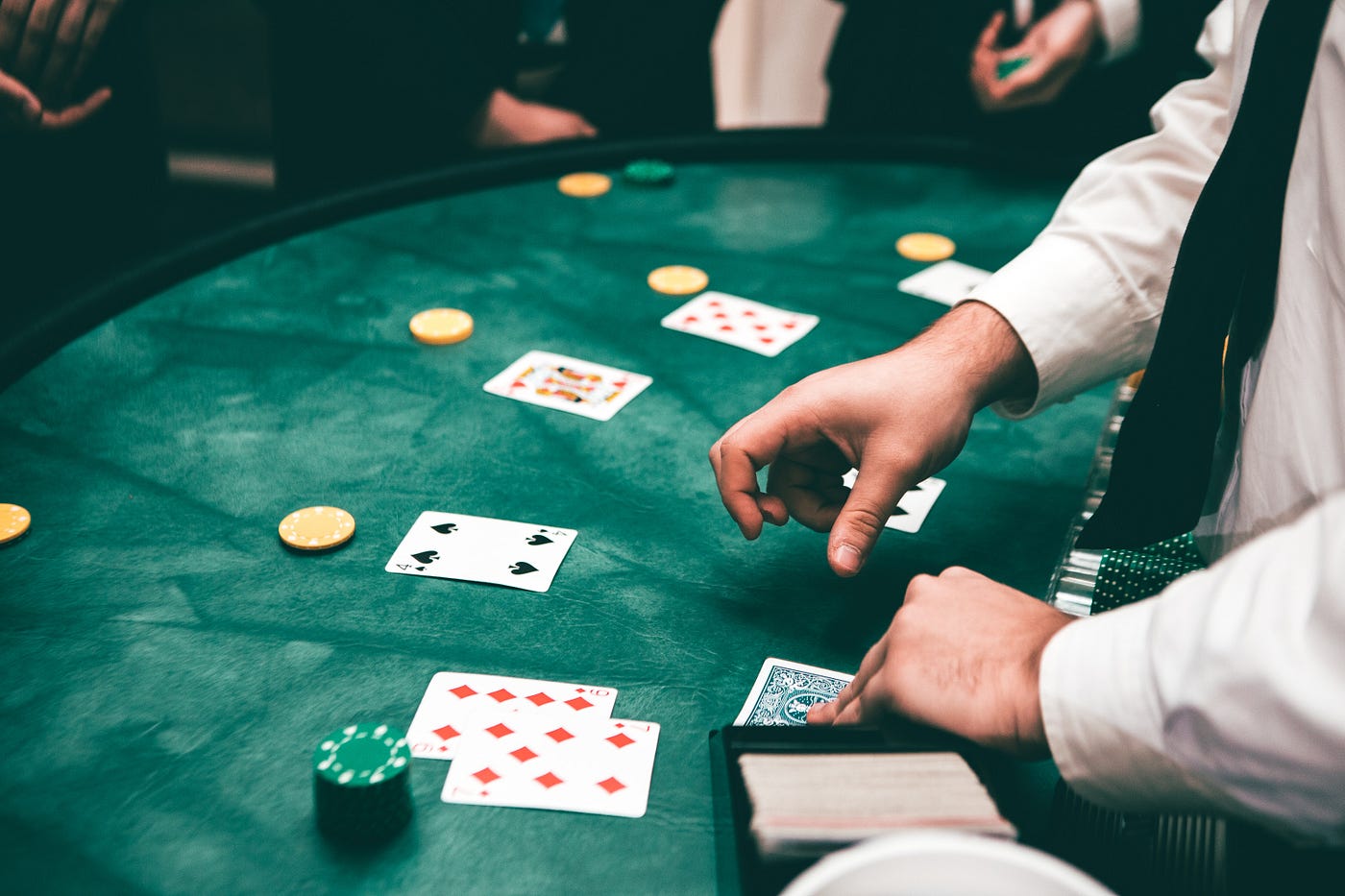
Moreover, gambling can provide an escape from daily stressors and challenges, making it an appealing choice for many individuals. When players sit down at a poker table or engage in a game of slots, they often find a temporary reprieve from their problems, immersing themselves in the excitement of the game. This form of escapism can be both a benefit and a drawback, as it allows players to disconnect but can also lead to problematic gambling behavior if not monitored.
The social environment of casinos enhances these emotional experiences, as players often share their highs and lows with others. Celebrating a win with fellow players or commiserating after a loss can create a sense of community, making the experience all the more engaging. These shared emotions often reinforce a player’s desire to return, as they seek not only the thrill of the game but also the connection with others who understand and share in the same experiences.
Finding Balance: Responsible Gaming and Community Support
While the psychological aspects of casino games can be intriguing, it is essential to address the importance of responsible gaming. Understanding the underlying factors that draw players to casinos can help individuals make informed decisions about their participation in these activities. Many casinos now promote responsible gaming through educational programs and initiatives that encourage self-awareness and mindfulness. By fostering an environment that emphasizes the importance of setting limits, casinos can help mitigate the risks associated with gambling.
Community support plays a critical role in maintaining a healthy relationship with gambling. Many organizations and platforms exist to help players who may struggle with compulsive gambling behaviors. These resources offer guidance, support, and practical tools to help individuals regain control over their gambling habits. By fostering an open dialogue about the psychology behind gaming, players can better understand their motivations and seek help when necessary.
Ultimately, the psychology behind casino games combines excitement, emotional experiences, cognitive biases, and social interactions. By recognizing the factors that contribute to gambling behavior, players can find a healthier balance between enjoyment and responsible gaming. As awareness grows, so does the opportunity for casinos and players alike to create a more positive gaming environment that prioritizes well-being while still delivering the thrill of the game.


 is a trademark of
Comments are closed.